What are the Penalties for Drink Driving in New South Wales?
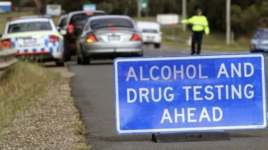
The testing of a driver’s breath for alcohol began in New South Wales on 16 December 1968. However, a driver could only be tested after a traffic accident or an alleged detection of a traffic offence.
The prescribed blood alcohol limit at the time was 0.08 grams per 210 litres of breath or 100 milligrams of blood.
That limit was reduced to 0.05 on 15 December 1980, but the testing restrictions remained in place due to concerns about the impact on civil liberties of arbitrary testing regimes.
Despite those concerns, the New South Wales government passed the state’s first piece of legislation enabling a trial of arbitrary breath testing on 17 December 1982.
The trial was seen as successful, and random breath testing was introduced across the state on 10 December 1985.
Since the initial trial, police in our state have conducted 123 million random breath tests and arrested nearly a million drivers considered to be over the prescribed alcohol limit.
40th anniversary commemoration
Police say that to mark the 40th anniversary of the random breath testing, “[o]peration Fume was conducted from 12.01am on Friday 16 December 2022 until 11.59 Saturday 17 December 2022 across the state, targeting drug and alcohol-related driving offences.”
Police say that over that period, 36,242 breath tests and 10,491 drug tests were undertaken leading to over 500 drivers being arrested for drink or drug driving.
What are the maximum penalties for drink driving in New South Wales?
The maximum penalties that apply to drink driving offences in our state depend on:
- The category within which the driver’s blood alcohol reading falls, and
- Whether it is the driver’s first or subsequent conviction for a major traffic offence within the previous 5 years.
What are the categories of drink driving offences?
There are 5 categories of drink driving offences in our state, which are:
| Category | Driver licence type | Blood alcohol concentration |
| Novice range | Learner or provisional | 0.001 to 0.019 |
| Special range | Learner or provisional | 0.020 to 0.049 |
| Low range | All | 0.05 to 0.079 |
| Middle range | All | 0.80 to 0.149 |
| High range | All | 0.150 and higher |
What is a major traffic offence?
The maximum penalty for drink driving will increase if the driver has been ‘convicted’ of a major traffic offence within the previous 5 years.
In that regard, it is important to be aware that the definition of ‘convicted’ includes non-conviction orders following a plea of guilty, such as section 10 dismissals and conditional release orders where a conviction is not recorded against the driver’s name.
Major traffic offences in NSW are:
- Any offence involving death or bodily harm to another person caused by or arising out of the use of a motor vehicle, including murder, manslaughter, intentionally or recklessly wounding or causing grievous bodily harm (sections 33 and 35 of the Crimes Act), furious driving (section 53) and causing grievous bodily harm (section 54)
- Predatory driving (section 51A), police pursuit (section 51B) and failing to stop and assist after impact causing death or grievous bodily harm (section 52AB),
- Drink driving (section 110 Road Transport Act),
- Drug driving (section 111),
- Combined alcohol and drug driving (section 111A),
- Driving under the influence (section 112),
- Negligent driving occasioning death or grievous bodily harm (section 117(1)),
- Driving furiously, recklessly or at a speed or in a manner dangerous (section 117(2)),
- Menacing driving (section 118),
- Failing to stop to assist after impact causing injury or death (section 146),
- Refusing to submit to a breath analysis (clause 16(1)(b) of Schedule 3),
- Refusing or failing to provide a blood, oral fluid or urine sample (clause 17 of Schedule 3),
- Wilfully introducing amount or altering concentration of alcohol or other drugs (clause 18 of Schedule 3), or
- Aiding, abetting, counselling or procuring the commission of, or being an accessory before the fact to any of the above.
So, what are the penalties?
For the offence of driving with a novice, special or low range prescribed concentration of alcohol (first offence), police have had discretion since 20 May 2019 to issue a penalty notice (ie a fine) rather than send a person to court.
At the time of writing, the fine is $603.
However, it’s important to be aware that although the fine does not come with a criminal conviction (criminal record), it does come with a 3-month driver licence suspension.
Putting aside penalty notices, the maximum penalties are:
Novice range drink driving
Novice range drink driving is where a learner or provisional licence plate holder drives with a blood alcohol concentration from 0.001 to 0.019.
The ‘automatic period of disqualification’ is 6 months if you haven’t been convicted of another ‘major traffic offence’ within the previous 5 years.
The Magistrate can reduce that disqualification period to a ‘minimum’ of 3 months.
The maximum fine is $2,200.00.
2nd or Subsequent Offence
If it is your 2nd or more major traffic offence within 5 years, the penalties are:
- 3 month disqualification which can be reduced to 1 month, followed by
- 12 months during which you must have an interlock device installed to your vehicle, and
- Maximum fine of $3,300.
Alternatively, the court can ‘exempt’ you from the interlock requirement and impose:
- 12 month disqualification period which can be reduced to 6 months, and
- Maximum fine of $3,300.
Special range drink driving
Special range drink driving is where a learner or provisional licence plate holder drives with a blood alcohol concentration from 0.02 to 0.049.
The ‘automatic period of disqualification’ is 6 months if you have not been convicted of another ‘major traffic offence’ within the previous 5 years.
The Magistrate can reduce that disqualification period to a ‘minimum’ of 3 months.
The maximum fine is $2,200.00.
2nd or Subsequent Offence
If it is your 2nd or more major traffic offence within 5 years, the penalties are:
- 3 month disqualification which can be reduced to 1 month, followed by
- 12 months during which you must have an interlock device installed to your vehicle, and
- Maximum fine of $3,300.
Alternatively, the court can ‘exempt’ you from the interlock requirement and impose:
- 12 month disqualification period which can be reduced to 6 months, and
- Maximum fine of $3,300.
Low range drink driving
Low range drink driving is where a driver has a blood alcohol concentration from 0.05 to 0.079.
The maximum penalties where it is your first major traffic offence within the past 5 years are:
- 6 months of disqualification from driving, which can be reduce to a minimum of 3 months, and
- Maximum fine of $2,200.
2nd or Subsequent Offence
If it is your 2nd or more major traffic offence within 5 years, the penalties are:
- 3 month disqualification which can be reduced to 1 month, followed by
- 12 months during which you must have an interlock device installed to your vehicle, and
- Maximum fine of $3,300.
Alternatively, the court can ‘exempt’ you from the interlock requirement and impose:
- 12 month disqualification period which can be reduced to 6 months, and
- Maximum fine of $3,300.
Middle range drink driving
Middle or ‘mid’ range drink driving is where a driver has a blood alcohol concentration from 0.08 and 0.149.
The maximum penalties where it is your first major traffic offence within the past 5 years are:
- Up to 9 months in prison,
- 6 month driver licence disqualification which can be reduced to 3 months, followed by
- 12 months during which you must have an interlock device installed to your vehicle, and
- Fine of $2,200.
Alternatively, the court can ‘exempt’ you from the interlock requirement and impose maximum penalties of:
- Up to 9 months in prison
- 12 month licence disqualification which can be reduced to 6 months, and
- Fine of $2,200.
2nd or Subsequent Offence
If it is your second or more major traffic offence in the past 5 years, the maximum penalties are:
- Up to 12 months in prison,
- 9 month licence disqualification which can be reduced to 6 months, followed by
- 24 months during which you must have an interlock device installed to your vehicle, and
- Fine of $3,300.
Alternatively, the court can ‘exempt’ you from the interlock requirement and impose maximum penalties of:
- Up to12 months in prison,
- 3 year licence disqualification which can be reduced to 12 months, and
- Fine of $3,300
High range drink driving
High range drink driving is where a driver has a blood alcohol concentration of 0.150 or higher.
The maximum penalties where it is your first major traffic offence within the past 5 years are:
- Up to 18 months in prison,
- 9 month driver licence disqualification which can be reduced to 6 months, followed by
- 24 months during which you must have an interlock device installed to your vehicle, and
- Fine of $3,300.
Alternatively, the court can ‘exempt’ you from the interlock requirement and impose maximum penalties of:
- Up to 18 months in prison,
- 3 year licence disqualification which can be reduced to 12 months, and
- Fine of $3,300.
2nd or Subsequent Offence
If it is your second or more major traffic offence in the past 5 years the maximum penalties are:
- Up to 2 years in prison
- 12 month licence disqualification which can be reduced to 9 months, followed by
- 48 months during which you must have an interlock device installed to your vehicle, and
- Fine of $5,500
Alternatively, the court can ‘exempt’ you from the interlock requirement and impose maximum penalties of:
- Up to 2 years in prison
- 5 year licence disqualification which can be reduced to 2 years, and
- Fine of $5,500
Can I avoid a criminal record for drink driving if I plead guilty?
It is important to be aware that courts generally have the power to issue non-conviction orders for drink driving cases, such as section 10(1)(a) dismissals and conditional release orders without conviction.
If you plead guilty to, or are found guilty of, a drink driving offence and the magistrate is persuaded to grant such an order, it means there will be no criminal conviction recorded against your name (ie no criminal record), no driver licence disqualification and no fine.
However, it is important to be aware that courts do not have the power to make section 10 non-conviction orders in circumstances where you have already received such an order for a major traffic offence within the past 5 years.
But what do the courts actually impose?
The most common penalties imposed by the courts for drink driving cases in New South Wales are, on the other hand, as follows:
Novice range drink driving
The most common penalty imposed for novice range drink driving that comes before the courts is a fine plus disqualification from driving, followed by a conditional release order without conviction – which comes with a good behaviour bond but not a disqualification from driving – followed by a section 10A order – which includes a disqualification period but no further penalty such as a fine or good behaviour bond.
Special range drink driving
The most common penalty imposed for special range drink driving that comes before the courts is a fine plus disqualification from driving, followed by a conditional release order without conviction – which comes with a good behaviour bond but not a disqualification from driving – followed by a section 10 dismissal – which does not involve a good behaviour bond, disqualification or fine, but has only been applied in a small number of cases.
Low range drink driving
The most common penalty imposed for low range drink driving cases that come before the courts is a fine plus disqualification from driving, followed by a conditional release order without conviction – which comes with a good behaviour bond but not a disqualification from driving – followed by a section 10 dismissal – which does not involve a good behaviour bond, disqualification or fine.
Mid range drink driving
The most common penalty imposed for low range drink driving is a fine plus disqualification from driving, followed by a conditional release order without conviction – which comes with a good behaviour bond but not a disqualification from driving – followed by a community correction order which includes a good behaviour bond that comes with a range of conditions as well as a disqualification from driving, followed by a section 10 dismissal – which does not involve a good behaviour bond, disqualification or fine, but has only been applied in a small number of cases.
High range drink driving
The most common penalty imposed for high range drink driving is a fine plus disqualification from driving, followed by a community correction order (CCO) which includes a good behaviour bond that comes with a range of conditions as well as a disqualification from driving – followed by an intensive correction order – which comes with a good behaviour bond that includes a good behaviour bond with even more stringent conditions than a CCO as well as a disqualification from driving – followed by imprisonment and, lastly, a conditional release order without conviction – which comes with a good behaviour bond but not a disqualification from driving.
Drink Driving Traffic Offenders Rehabilitation Course
There is a NSW traffic offenders intervention program (TOP) that can significantly improve a driver’s sentencing outcome to avoid a criminal conviction.
TOP course is an education program that informs drivers of the dangers of reckless driving and the penalties for committing driving offences in NSW.
It allows a Magistrate to reduce a driver’s penalty by accepting that a driver now has greater insight into their offence and is more unlikely to re-offend.
The PCYC TOP program is $150 with 65 locations across NSW.
A 1- or 2-day Traffic Offenders Rehabilitation Program approved course costs $170.
The shorter TORP course takes about 90 to 120 minutes to complete online. Drivers can enrol in their Sydney CBD, Parramatta, Newcastle, Manly or Wollongong.
The Court will only consider an approved course if the driver completes the course successfully.
Going to court for a traffic offence?
If you are going to court for a traffic offence, call or email Sydney Criminal Lawyers anytime to arrange a free first consultation with an experienced, specialist traffic lawyer who will accurately advise you of your options, the best way forward, and fight for the optimal outcome in your specific situation.
Sydney Criminal Lawyers
Receive all of our articles weekly
Related Articles
 Effect of New Technology on Court Trials
 Mainstream Media Normalises Vigilantism
 Recent Events Highlight the Need for a Bill of Rights in Australia
 Police Accused of Lying About Use of ‘Ineffective’ Facial Recognition Software
 Footage Released of NSW Police Using Excessive Force Against Elderly Woman
 Renewed Calls to Ban Chokeholds Highlights the Colonial Nature of Australian Policing