Deepfake Image and Audio-Based Intimate Image Offences in New South Wales
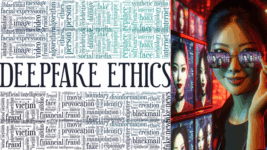
New intimate deepfake criminal offences came into effect in New South Wales On 16 February 2026, which expand preexisting intimate adult images offences to encompass compromising audio content and create a new offence of altering images or audio or using a simulated person to create intimate image or audio material.
What are deepfakes?
Deepfakes involve artificial intelligence (AI) generated images, video or audio that places specific individuals in compromising or sexual situations that never happened or were made up by computers.
Broadening the existing regime
The new offences were added to the preexisting 2017-passed regime that criminalises the sharing of sexually explicit images or videos of an individual online without their consent, which is often referred to as “revenge porn”. The 2017 legislation created three new offences covering recording and distributing intimate imagery of a person without their consent, as well as threatening to do this.
The legislation
Passed on 18 September 2025, the Crimes Amendment (Intimate Image and Audio Material) Bill 2025 contained amendments to the preexisting intimate image regime, so that it includes audio material and created intimate imagery or audio of a “simulated person”, and it further creates a new standalone offence capturing intimate content created by AI or the altering preexisting content.
“The defining character of deepfake material is that it is intended to be an extremely realistic depiction that can be treated as a genuine depiction of the subject,” explained NSW attorney general Michael Daley, during his 7 August 2025 second reading speech on the bill.
“Because deepfakes are intended to deceive by design, their distribution and creation can be harmful, in the same way that it is harmful when real intimate images are recorded and shared without consent.”
So, the 2017 revenge porn laws contained within division 15C of the Crimes Act 1900 (NSW), which sought to stamp out the practice of posting intimate images of others online to smear their reputation, has now been updated to incorporate the explosion of deepfake imagery that, thanks to the onset of AI, is being used to humiliate and harass individuals online without their consent.
Rise and impact of image-based offences
“In 2024, the eSafety Commissioner said that there had been a significant rise in explicit deepfakes, with potentially, a 550 percent increase year-on-year since 2019,” Daley told the NSW lower house in September 2025. “Of those deepfakes, 98 percent were pornographic and 99 percent of those images were of women and girls. We know how harmful these images are.”
“Research shows that the nonconsensual development and sharing of deepfakes causes embarrassment, ridicule and distress,” the AG added. “In some cases, the harm can extend to psychological, physiological, professional and socioeconomic impacts. Threats to make such material public can also cause fear as a form of harassment, intimidation or coercion and control.”
The 2017 crime of ‘record intimate image’ has been amended to create the new offence of ‘record intimate image or audio material without consent’, contrary to section 91P of the Crimes Act. This involves knowing the person did not consent or being reckless to that fact. And deepfakes are captured under this law, which carries up to 3 years prison time and/or an $11,000 fine.
The preexisting offence of ‘distribute intimate image’ has been amended to create the offence of ‘distribute intimate image or audio material without consent’, contrary to section 91Q of the Crimes Act. This covers an offender knowing of or being reckless to the lack of consent of the subject of the content. This offence, which captures deepfakes, carries 3 years prison and/or an $11,000 fine.
Expanding existing offence
The newly expanded offence of threaten to record, create, alter or distribute intimate image or audio material is contained in section 91R of the Crimes Act. This section contains three forms of this offence. The subsection 91R(1) offence of threatening to record intimate image or audio without consent carries up to 3 years inside and/or an $11,000 fine.
The subsection 91R(1A) offence involves threatening to alter an image or audio or to use artificial intelligence to create an image or audio of a “simulated person”, and it carries 3 years in prison and/or an $11,000 fine. The final offence under subsection 91R(2) involves threatening to distribute intimate images or audio, which also carries the same penalties as the other offences.
On introducing these laws, Daley also told the chamber that offences relating to sexual deepfakes that involve children, along with child abuse material offences, are contained under division 15A of the Crimes Act 1900.
The newly enacted deepfake offence
The 2025 amendment legislation inserted some new definitions into division 15C of the Crimes Act. This included the definition of a “simulated person”, which involves “a person depicted in a digitally generated image or in digitally generated audio”. Digitally generated content includes deepfakes and the use of artificial intelligence.
A simulated person is an image that purports to be a genuine depiction of a specific person or a depiction so closely resembling the specific individual that a reasonable person would be able to identify the image as them.
The legislation has also created the new offence of altering images or audio or using a simulated person to create intimate image or audio material, which is contained in section 91PA of the Crimes Act. This crime involves any alteration of preexisting imagery or audio, and it further captures deepfakes created with artificial intelligence.
The new section 91PA offence of creating deepfakes carries the regular penalties for division 15C offences, which involve up to 3 years prison time and/or a fine of up to $11,000.
A further 2017 enacted criminal offence involving refusal to remove, delete or destroy offending intimate content, after a person has been found guilty of a recording or distributing intimate imagery has been amended to incorporate audio and deepfake content, including the creation of a simulated person. This section 91S offence carries up to 2 years inside and/or a $5,500 fine.
The amendment bill further slightly altered section 91T of the Crimes Act, which now provides that individuals do not breach section 91P, 91PA or 91Q offences if their conduct was for the purpose of genuine medical, scientific, law enforcement or legal proceeding reasons. And new section 91U requires that NSW parliament review the current deepfake reforms after 12 months of operation.
The shifting digital landscape
Daley further explained when introducing these laws that when the 2017 revenge porn measures were passed, “the digital landscape was vastly different”. Back then the focus had been on real images being distributed online. However, with the onset of ChatGPT and other forms of generative AI, the laws of the past were no longer able to capture deepfake material.
“The bill is focused on modernising the criminal law to ensure it keeps pace with evolving technology. It will strengthen and expand existing offences relating to the nonconsensual recording or distribution of intimate images to ensure we have a robust response to deepfake sexual material, including material generated by AI,” the NSW chief lawmaker added.
In providing testimony to a 2024 Australian Senate committee inquiry into criminal reforms around deepfake imagery, Australian eSafety Commissioner Julie Inman Grant told committee members that the amount of deepfake explicit content that had become available over the internet since 2019 has skyrocketed.
The eSafety Commissioner warned at the time that the harms caused by deepfakes includes negative impacting of mental health and career prospects, as well as at times, resulting in social withdrawal and interpersonal difficulties.
“Victim-survivors have also described how their experiences of image-based abuse radically disrupted their lives, altering their sense of self, identity and their relationships with their bodies and with others,” Grant further warned back in July 2024.

Paul Gregoire


Ugur Nedim
Receive all of our articles weekly
Related Articles
 The Offence of Producing or Distributing Deepfake Porn Without Consent in NSW
 The Proposed Federal Offence of Sharing Deepfake Adult Porn in Australia
 Deepfake Porn: The Dark Side of the Web
 Producing Pornography in Australia – What Does The Law Say?
 The Offences of Recording and Distributing Intimate Images Without Consent
 The Offence of Threatening to Distribute Intimate Images in NSW