NSW Police Culture Is Rife with Bullying and Discrimination, Often Inflicted by Leaders
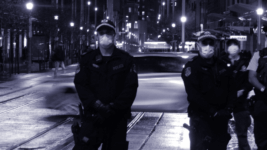
“Bullying, incivility, discrimination and victimisation” are rife in the culture of the New South Wales Police Force, a just released review has found. These forms of mistreatment are at “unacceptable levels” and pose “systemic risk”. And the NSWPF inquiry further found that whilst policing is “undergoing profound and rapid change”, internally our state law enforcement is not keeping pace.
“Without exception” every woman who spoke to researchers described “overt or covert harassment”. Despite 25 percent of the NSW population being from culturally and linguistically diverse backgrounds, this figure is only half reflected amongst the force’s ranks. And the top level of management in the 19th century-established agency remains the domain of white men.
The Final Report of the Independent Cultural Review into NSW Police Force was released on 11 June 2026. The review team was led by former Victorian human rights commissioner Kristen Hilton and the inquiry commenced in March 2025, after former NSW police commissioner Karen Webb called for it in late 2024, as the ABC had reported on the “toxic culture” at the agency.
Hilton explains that the 10-month-long investigation involved 508 interviews with former and current staff members and a workplace survey that 4,473 officers and other staff responded to.
The lead reviewer further underscored that there are strengths within the NSWPF in terms of the “service and safety” it provides to the community, and the force has significantly shifted towards better mental health supports for staff in recent years.
The report has made 29 recommendations in terms of transforming NSWPF culture, addressing its harmful behaviours, along with ensuring diversity is prioritised at all levels and improvements are made to recruitment, training and career progression. And current NSW police commissioner Mal Lanyon has committed to implementing all of them “with urgency and transparency”.
Marred by harmful behaviours
Close to one in three respondents to the NSWPF workplace survey reported that they’d been subjected to bullying in the last five years, and a quarter said they’d faced discrimination, while 18 percent of respondents had experienced verbal abuse or threats, and 15 percent said that they’d been subjected to victimisation.
Not only did around a third of respondents confirm that they’d been bullied over recent years, which included being belittled, humiliated or made to feel scared, as well as being the subject of rumours, but when they’d attempted to speak out about this, they’d received retaliation. And the report underscores that the fear of being “bullied, isolated or ostracised” in the NSWPF is “pervasive”.
In terms of discrimination, this was found to be disproportionately affecting women, First Nations staff, people with disabilities, LGBTIQA+ employees, as well as officers whose first language is not English. And how this translates is that NSWPF staff are being “denied training and development opportunities” based on their identities or protected attributes.
Nine percent of survey participants stated that they’d been the subject of sexual harassment in the last five years, whilst 1 percent reported being subjected to sexual assault. The most common forms of harassment included suggestive jokes and comments made about appearance. Yet, due to a recent focus on this issue, which had once been “normalised”, there’s been “significant improvements”.
The researchers found that a “code of silence” does exist in the NSWPF, when it comes to reporting “unsafe behaviours”, and that includes whether they’ve been experienced or witnessed. Indeed, the most common response to these behaviours was to avoid the perpetrator, 47 percent of respondents said, whilst 45 percent suggested that considering leaving the agency is also a common response.
The NSWPF management has been proactively attempting to break this code, via measures such as making it mandatory for sworn officers to report misconduct and confidentiality around complaints, and these are measures that the inquiry found do seem to be impacting. Yet, while there are policies and practices in place that seek to make officers accountable for misconduct, these are ineffective.
A key issue in this area is that the most common perpetrators of these unsafe behaviours are the individual’s direct leader. Forty nine percent of respondents considered that supervisors and leaders are largely not held to account for misconduct. And an inability to deal with the “incivility and interpersonal conflict” between officers in their teams was also found amongst middle management.
“A blue shirt solves everything”
The “command-and-control” environment of the NSWPF means that an “authoritarian leadership style remains common” throughout the agency. And this form of leadership means that input from other staff members is withheld, which was found to be stymieing “innovation and efficiency” in a time when social and technological changes are at apace.
The independent inquiry found a lack of diversity in terms of backgrounds and perspectives in the leadership of the NSWPF. Only around 18 percent of senior roles are held by women. First Nations people and people from culturally and linguistically diverse backgrounds are underrepresented in leadership roles. And this means that innovation, decision-making and community trust are lacking.
The report underscores that the NSW police commissioner’s executive team is made up of men with long tenure’s in the force, which tends to reflect a “wider organisational tendency” to privilege time spent in a blue uniform over specialised knowledge and, this has meant that certain roles are being filled based on time on the beat, rather than qualifications or experience.
Only 44 percent of those surveyed reported that they feel respected and valued by NSWPF management, while just 35 percent reported receiving the right support after critical incidents. And this is accompanied by an undercurrent of favouritism leading to promotions and opportunities, as well as to whether individuals are being held accountable for problematic behaviour.
The NSWPF had also been suffering from a lack of new recruits over the five years to 2024. However, this turned around last year, which has been put down to the introduction of “paid recruit training and better remunerations”. Although, early attrition rates remain an issue, with 27 percent of probationary constables dropping out of the force within the first two years of employment.
Stationary in a time of rapid change
In opening the report, lead reviewer Hilton outlines that the NSW Police Force is currently undergoing a period of transition, due to “rapidly shifting social, environmental, economic and technological contexts”, and this also involves the “changing nature of crime, heightened public scrutiny, reduced workforce numbers and an increased demand for transparency”.
The lead reviewer too set out that for the NSW Police Force these shifts include a steep decline in traditional crimes, whilst reports of sexual assault and cybercrimes having been surging, and officers are increasingly being called upon to respond to natural disasters and mental-health callouts.
Hilton further stresses that these pressures point to a key issue for the NSWPF, which is that modern policing is based on “police deriving their legitimacy by consent”. So, in order for state law enforcement to successfully carry out its duties, it needs to have the trust and cooperation of the community it serves, which can’t be earnt by an agency of officers that cannot trust one another.
Key recommendations are that the executive team diversifies, that targets are set to drive cultural change, that accountability is embedded in leadership, the monitoring of cultural changes, development of recruitment practices, strengthening of integrity and transparency for promotions, implementing prevention programs for harmful behaviours and more workplace flexibility.
In his response to the report, commissioner Lanyon has suggested there will be “no more tolerance of harmful behaviour within” the organisation, as “everyone has a fundamental right to be safe at work”, and he considers that will only happen with strong, visible leadership and a culture of shared responsibility.
While Hilton further suggests in her forward to the report that when culture is strong within an organisation, “it supports ethical conduct, resilience and public confidence”, whereas a crooked culture, “erodes trust, drives good people away and weakens operational effectiveness”.
Main image photo credit: Paul Gregoire

Paul Gregoire
Receive all of our articles weekly
Related Articles
 Systemic Bullying, Brutality and Cover-Ups: Officers Speak Out Against Toxic Police Culture
 Toxic Culture Persists Within the NSW Police Force
 NSW Police Officers Continue to Engage in Misconduct with Impunity
 Landmark Victory for Police Corruption Whistleblower: An Interview With Rick Flori
 Sydney Police Constable Charged After Allegedly Threatening Junior Officers
 Queensland Police Service Rewards Officer Who Crucified Honest Cop