Mandatory Use of Body Worn Cameras Won’t End Police Brutality
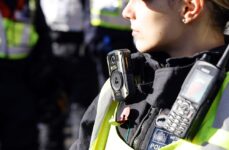
The New South Wales Police Force stated on 2 June 2026 that it’s considering making the use of body-worn video cameras mandatory whilst officers are exercising a policing power. Indeed, this a call made by Sydney Criminal Lawyers and many others for several years that’s only now been given attention after an ABC documentary exposed the systemic brutality that is rife throughout the force, with officers routinely engaging in abhorrent conduct against those they are meant to protect, with near absolute impunity.
The 1 June-aired Four Corners documentary “Police Brutality” did an excellent job of revealing this police violence to the broader public, much of which is unaware of it. Indeed, unless an individual becomes the victim of such brutality or they have an association with the criminal justice system, then many continue to hold to the belief that police are just good people there to assist the public.
Yet, as the ABC exposed, NSW police often use excessive force on civilians, this is more likely to occur to marginalised people, bragging about perpetrating violence occurs and a culture of coverup is the norm, while those abused by officers are usually charged with assaulting police and rather than its officers facing charges, the agency instead pays out compensation to cover its crimes.
But whether body-worn video cameras are made mandatory within standard operating procedures or a law is passed to ensure this, this band-aid solution to the exposure of bad behaviour that is not new, will hardly end the police use of excessive force.
As a key independent report into NSW police culture exposed this week, members of the force tend to treat other officers with the same sort of distain that they treat the public with.
And while the issue of police use of violence is nothing new, what is novel about all this is the public exposure it’s receiving, which is too coming at point, when the NSW Minns government has been attempting to normalise police violence under certain circumstances.
Compensating victims of police brutality
Four Corners showed a variety of incidents involving extreme police brutality. Two incidents involved two young male officers bashing women with mental health conditions. The extreme brutality two officers unleashed upon one woman sitting on a roadside naked in 2023, saw them imprisoned, but another two officers who repeatedly punched on a woman last year continue to work the same beat.
The documentary also covered a NSW police senior constable who falsely arrested a 38-year-old man in an outdoor mall and then beat him senseless at the copshop later, which involved repeatedly kneeing the detainee and breaking a dozen of his ribs. Yet, this didn’t convey the same sort of shock as the other incidents, as it rather confirmed what one might expect of officers behind closed doors.
Brad Kellson was the victim of that assault, and after being charged with assaulting police and resisting arrest, the charges were withdrawn and he sued NSW police, which is a common scenario following officers assaulting civilians: the victim is initially charged with assaulting police until it becomes so obvious that it wasn’t the case that the charges are dropped and the victim sues police.
The ABC reported that 478 such cases were filed last year and the NSWPF paid out over $40 million in compensation. Paying its way out of repeatedly using excessive force during police operations is the norm. And this long-term issue is only getting worse as over 2019/20, it was 298 claims that were made against police over that 12 month period, whilst over $24 million had been paid out.
The high-profile case that involved senior constable Christopher Davis assaulting legal observer Hannah Thomas at a 2025 protest revealed a similar scenario. She was charged with an aggravated form resisting police, after the officer punched her so hard he’d damaged her eye. But after much outcry the charges against Thomas were dropped and Davis was then charged over the assault.
The NSWPF further admitted just last week that it had subjected Thomas to false imprisonment and battery during the incident, as the agency was gearing up to pay out more compensation in relation to yet another incident involving police brutality.
Perhaps we’ll make it mandatory
NSW assistant police commissioner Peter Cotter told ABC Radio on the day after the national broadcaster had aired the force’s dirty linen that NSW police is now conducting a review of its standard operating procedures related to body worn video, which currently only have to be turned on at officer discretion, to see if the devices should be mandatory when powers are exercised.
However, the savage beating that former constables and current inmates Nathan Black and Timothy Trautsch subjected Jodi Knott to on a street in broad daylight was captured on the BWV of one of those officers, who paused it at times, as well as muted the footage, but the video still captured the graphic brutality all the same, and the officers perpetrated it regardless of the device being on.
So confident were these young officers in their ability to subject this woman in distress to extreme gratuitous violence and simply get away with it that one of them sent messages to a colleague bragging about how much pepper spray they used upon the victim, how severe the physical damage they’d caused her was, and he even sent some of the BWV footage to be viewed by the other officer.
Police watchdog, the Law Enforcement Conduct Commission released its report into NSW police use of body worn videos in March 2025, which was based on a series of incidents, including the 2019 death of Todd McKenzie, who was shot in the back three times by tactical police whilst he was having a mental health crisis, which led the NSW coroner to recommend mandatory BWV for such officers.
In the case of McKenzie, the tactical police officers arrived toward the end of a five-hour standoff, and they ordered the other regular officers at the scene to turn off their BWV prior to the storming of McKenzie’s home and their shooting him whilst he was having a mental health episode.
The LECC made one key recommendation in its report and that is that “the police force simplify its current policy to the clear instruction that officers must activate body worn cameras, at a minimum, when exercising” statutory powers.
Questionable deterrence
Even with the extreme brutality that was revealed nationwide, the NSW police didn’t convey that it would be making BWV mandatory. In fact, it is only reviewing its policies at present. And as can be seen from the case of tactical officers at the site of the killing of Todd McKenzie, who ordered all other officers not to use BWV, these cameras obviously have some deterrent effect.
Although another extreme case uncovered by the LECC late last year involved a NSW police officer having used excessive force on six occasions over a ten week period in 2024, and he’d also submerged two BWV devices in water to destroy evidence of his having beaten up a 15-year-old boy.
But if anything, this last case reveals, as does the brutalisation of Jodie Knott, that even with a camera pinned to their chest, some NSW police officers aren’t able to control themselves from perpetrating some ultraviolence upon a civilian if they have the urge.
State-sanctioned brutalisation
The key issue underlying the debate around the mandatory use of BWV is not that there is an issue with NSW police officers not turning on their body-worn video to film themselves, but rather, it’s the fact that this state agency is producing officers that are prone to use excessive force in order to deal with civilians out on the beat, and at times, these officers are revelling in their use of violence.
A point made in Stanley Kubrick’s film A Clockwork Orange is at the end of the piece, when antihero Alex DeLarge, who the viewer has followed as he’s partaken in a series of brutal criminal offences, is set upon by a group and then rescued by police officers, who turn out to be his old gang members, Dim and Georgie, who’d too partaken in all the crime, prior to becoming police officers.
The footage of Jodie Knott being beaten by two NSW police officers reveals the point that Kubrick was making about law enforcement involving similar behaviours and people, who would often be considered criminals if they weren’t wearing their blue uniforms and a holster with a variety of weapons to set upon the public with.
The deeper issue of police using violence was also on display at the 9 February 2026 protest against the official visit of Israeli president Isaac Herzog, which was held on Gadigal land at Sydney Town Hall and involved 3,000 NSW police officers kettling in a crowd of 20,000-odd pro-Palestinian protesters and unleashing all forms of violence upon these civilians, as well as the liberal use of pepper spray.
So, the NSW Police Force and its use of violence is currently being held up before the public to contemplate, via the Four Corners documentary and the just released report into its culture, and questions are being raised about why our democracy employs a group of people to protect the public, when many of these individuals are prone to brutalise civilians and readily commit crimes.
And this issue has become all the more complicated by the fact that the NSW Labor government, it’s premier Chris Minns, it’s police minister Yasmin Catley and the current NSW police commissioner Mal Lanyon have all stood by the brutal actions of the NSW police officers on that night, and rather than condemn the violence against the public, they’ve suggested officers did as they were told.
The question that remains now is how can NSW expect public safety to be upheld if much of the criminal justice system condemns police use of excessive force, while the NSWPF itself attempts to cover up its broad use of violence and pay its way out of its repeated lawbreaking, while top ministers convey that officers are permitted to brutalise on occasion when the state sanctions it.
Paul Gregoire

Receive all of our articles weekly
Related Articles
 Watchdog Recommends Making It Compulsory for Police Officers to Activate Body Cameras
 Calls for Reform Around Police Body-Worn Cameras: An Interview With ALA’s Jeremy King
 NSW Police Turned Their Body Cameras Off Before Fatally Shooting Mentally Ill Man
 Police Body Cameras Rarely Used
 NSW Government Refuses to Require Police to Hand Over Body Camera Footage
- The Rules Regarding NSW Police Use of Body Worn Cameras